Passer aux informations produits
1 de 3

Lionel Brooks

Children’s Encyclopedia of Dinosaurs_Pteranodon

Children’s Encyclopedia of Dinosaurs_Pteranodon

Prix habituel $4.99 USD
Prix habituel $1.99 USD Prix promotionnel $4.99 USD
En vente Épuisé
Frais d'expédition calculés à l'étape de paiement.

Give Your Child the Gift of Learning with This Amazing Pteranodon Adventure Ebook!

Introducing Children’s Encyclopedia of Dinosaurs – Pteranodon — a thrilling educational ebook that takes kids back to the Late Cretaceous to meet Pteranodon, one of the most famous flying reptiles ever to rule the prehistoric skies. This ebook is perfect to spark curiosity, build science vocabulary, and help children understand the difference between dinosaurs and pterosaurs, how flight worked in these reptiles, and why Pteranodon was a true master of ancient oceans and skies.

This exclusive ebook includes:

✅ Main Ebook: Children’s Encyclopedia of Dinosaurs_Pteranodon
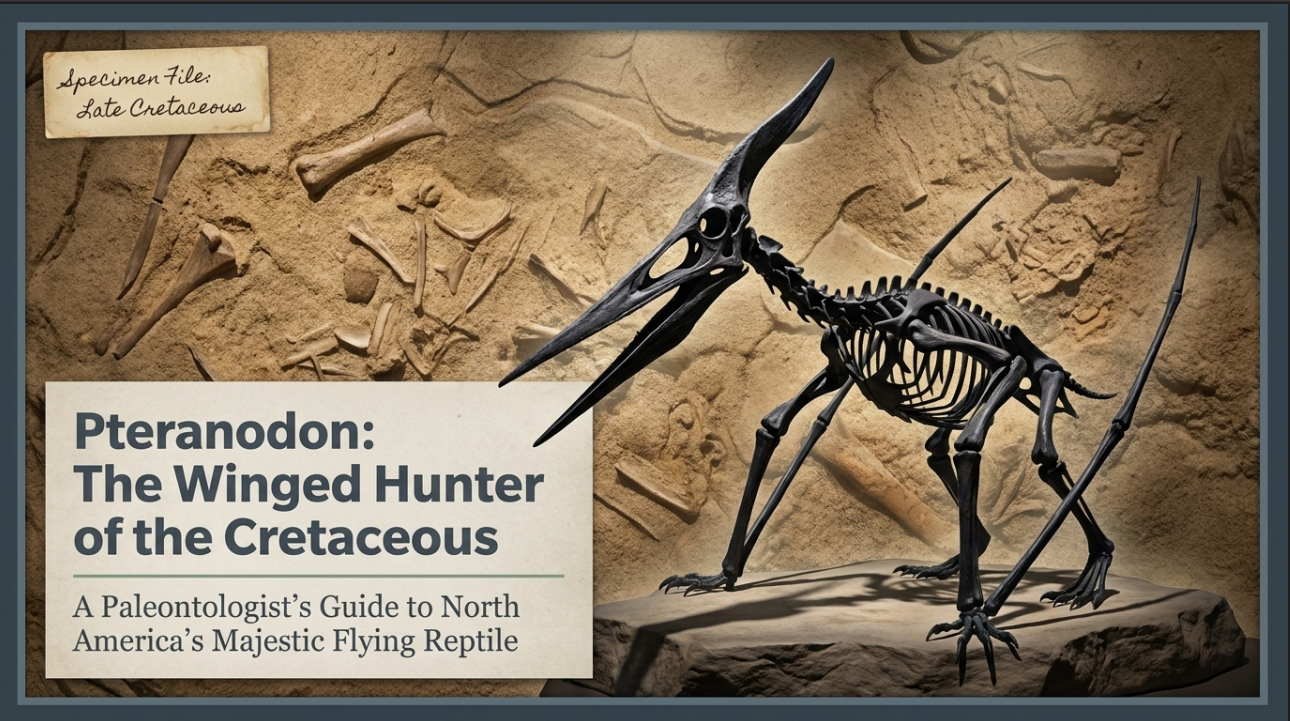
A kid-friendly encyclopedia entry that explains what makes Pteranodon special: it was a large pterosaur — a flying reptile, not a dinosaur — with long, bat-like wings, a lightweight body, a toothless beak, and a striking bony crest at the back of its head. Children discover that Pteranodon lived about 85–100 million years ago, during the Late Cretaceous period, mainly around the Western Interior Seaway, a vast inland sea that once covered parts of North America. The ebook introduces simple ideas such as “pterosaur,” “Cretaceous,” and “wingspan,” and shows how Pteranodon’s wings could reach around 6–7 meters (about 20–23 feet) across, making it as wide as a small airplane or a room. It also explains that, although Pteranodon looked big, its hollow bones kept it fairly light, and that it most likely spent much of its time soaring over the sea and coastlines, using air currents to glide gracefully like seabirds today.

Children learn that the name “Pteranodon” means “winged and toothless,” and that its long beak and crest help scientists figure out how it flew and balanced its head in the air. The ebook describes how Pteranodon probably fed mainly on fish and small sea creatures, swooping down from cliffs or high flight paths to snatch prey with its beak from the water’s surface, much like pelicans and other modern seabirds. Simple comparisons with birds, bats, and dinosaurs help children clearly see how Pteranodon fits into the larger story of flying animals in Earth’s history.

✅ Poster Infographic: Pteranodon_Master_of_Cretaceous_Skies
A colorful infographic page that visually presents the most important facts about Pteranodon: wingspan, body size, crest, beak, habitat, and diet, along with its identity as a pterosaur rather than a true dinosaur. The infographic uses diagrams and short captions to help children quickly remember that Pteranodon had very long, skin-covered wings, a toothless beak shaped for catching fish, and a large crest that may have helped with steering in flight or balancing its head. It highlights fun facts such as how many Pteranodon fossils have been found in Kansas and nearby states, how its wings could spread as wide as a small plane, and how pterosaurs were the first vertebrates to evolve powered flight, becoming true “masters of the sky.” This turns complex information into a simple, memorable visual guide that kids can revisit whenever they want a quick “Cretaceous sky ruler at a glance” reference.

✅ Parent Presentation: Pteranodon_The_Winged_Hunter
A structured parent presentation designed for families, teachers, and curious young learners that works like a mini guide to Pteranodon as a winged hunter of ancient seas. It organizes key information on anatomy, wingspan, fossils, habitat, and hunting strategies into clear sections that make discussion, note-taking, projects, and school reports easier. The presentation can include a simple timeline showing when Pteranodon lived, a map of where its fossils have been found around the Western Interior Seaway, comparison boxes that contrast Pteranodon with dinosaurs, modern birds, and other pterosaurs, and question prompts that encourage children to think about how flight, hollow bones, and wing shape help animals survive. This helps adults and learners connect the main ebook to broader themes about flight in nature, food chains over the ocean, and the difference between dinosaurs and other reptiles that shared their world.

Why this ebook is perfect for your child:

  • Designed for children ages 4–10, with clear explanations and vivid visuals of Pteranodon soaring over ancient seas, diving for fish, and using its wings and crest to glide through the air.

  • Combines narrative reading, infographic learning, and parent-friendly presentation material for maximum impact in classwork, homework, or home learning.

  • Encourages curiosity about flying reptiles, the Late Cretaceous world, ocean habitats, and how scientists use fossils to understand flight and feeding behavior in extinct animals.

  • Helps children build awareness about pterosaurs, the differences between dinosaurs and other archosaurs, and the way ancient skies were filled with incredible winged hunters and gliding giants.

By choosing Children’s Encyclopedia of Dinosaurs – Pteranodon, you give your child an exciting learning experience that connects storytelling, real prehistoric flight science, and Earth history, turning every page into a “winged hunter” adventure in the world of Cretaceous skies.

“I believe books have the power to enrich your knowledge, ignite your curiosity, and motivate you to learn more.” — Lionel Brooks

Perfect for children ages 4–10. Great for school projects, dinosaur-and-pterosaur reports, or weekend reading for young fans of flying reptiles!
Get your Pteranodon ebook today — instant download included!

Afficher tous les détails